Leather vs Fabric Sofa: Best for Alberta Winters?
Leather or fabric sofa for Edmonton's dry, heated winters? A local guide to comfort, durability, cracking, cleaning, and which one suits your home.
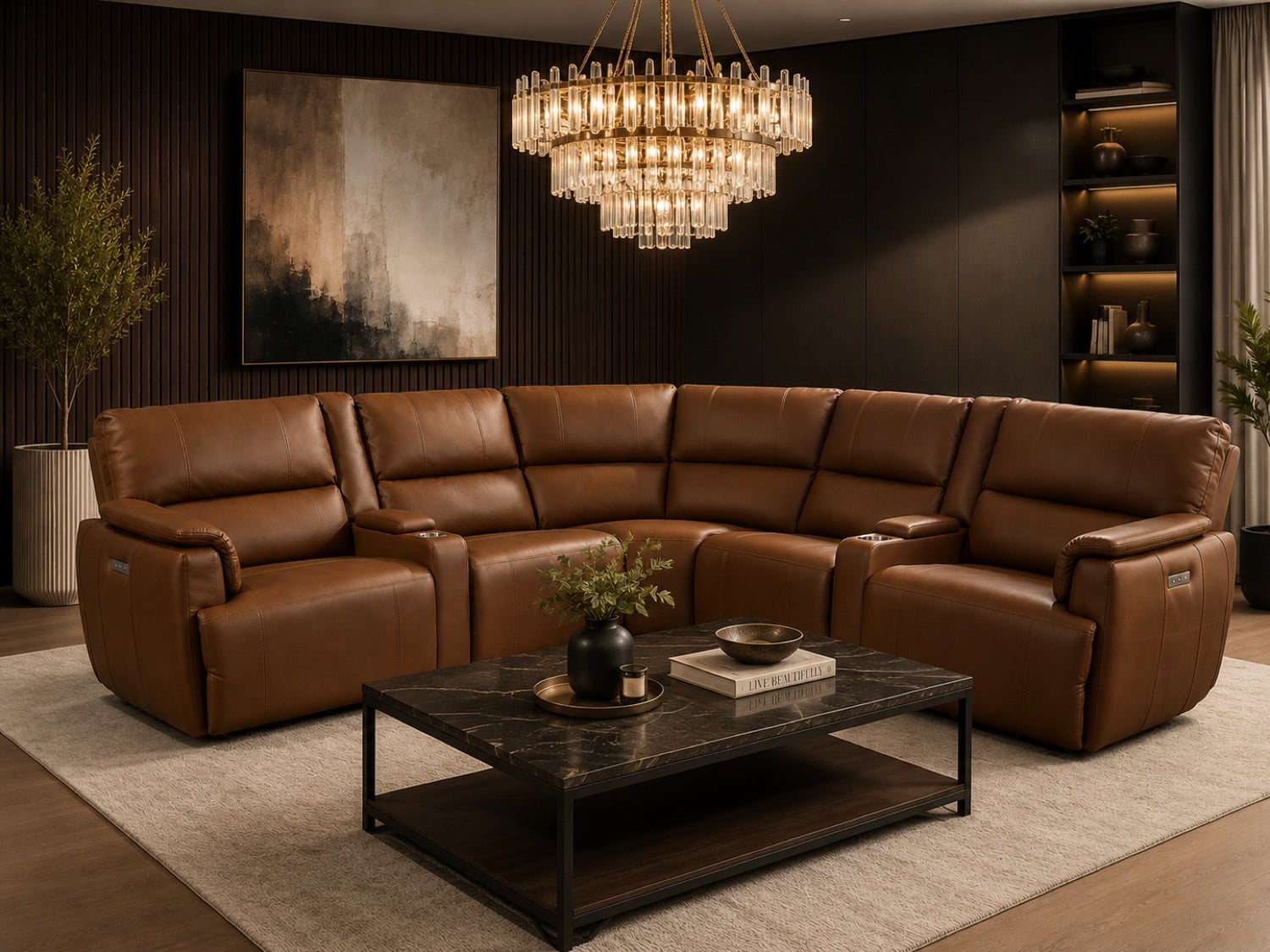
Choosing a sofa is one of the few furniture decisions you live with every single day for the next ten years. In Edmonton, that decision comes with a local twist most online guides ignore: our winters are long, our furnaces run for months, and the indoor air gets genuinely dry. That dryness changes how leather and fabric age, feel, and clean. This guide walks through the real trade-offs for an Alberta home so you can pick the material you will still love after a few prairie winters.
The short answer for Alberta homes
If you want the easiest cleanup, the longest lifespan, and a piece that looks better with age, choose leather and commit to a little seasonal care. If you want the warmest first touch, the widest range of colours and textures, and the most forgiving everyday surface for a busy household, choose a quality fabric. Both work beautifully in Edmonton. The difference is not which one is better overall, but which one fits how your household actually lives.
The rest of this guide explains why, so you can make the call with confidence instead of guessing.
How leather and fabric behave in a dry, heated winter
Material science sounds dull until it is your living room. Here is what actually happens once the furnace kicks on in October and does not really stop until April.
Leather in winter
Leather is a natural material, so it responds to the air around it. In a dry, heated room it slowly loses moisture, the same way your skin and lips do. Left unmanaged for years, that drying can make leather stiff and eventually cause fine surface cracks, usually on the seats and front edges that get the most use. The good news is that this is preventable, not inevitable. Keep leather away from heat registers and direct sunlight, add a bit of humidity to the room in winter, and condition it a few times a year, and a well-made leather sofa stays supple for a decade or more.
On the comfort side, leather can feel cool for the first few seconds on a January evening before it warms to your body temperature. Most people solve that with a throw and never think about it again.
Fabric in winter
Fabric is more forgiving of temperature and humidity swings. It does not dry out and crack, it feels warm the moment you sit down, and it is far less affected by the furnace running around the clock. That breathability is the main reason some Edmonton families lean fabric for the rooms they use most in the depths of winter.
The trade-off is that fabric can absorb spills and odours if you are not quick with a blot, and lighter fibres can pill or wear at the seat cushions over the years. A high-quality performance fabric with a strong abrasion rating closes most of that gap.
Durability over a decade
Think in years, not in the first month.
- Leather typically wears the longest. Top-grain leather resists daily abrasion well and develops a patina, the soft sheen and character that many people consider the whole point of buying leather. Its weak spot is sharp objects: a cat that treats the arm like a scratching post, or a toy with a hard edge, can leave marks that are hard to undo.
- Fabric lifespan depends almost entirely on the textile. A budget weave looks tired in a few years; a performance fabric rated for heavy use can run neck and neck with leather. Fabric also has a recovery option leather does not: slipcovers and replacement cushion covers let you refresh a tired sofa for a fraction of the cost of replacing it.
If you want a piece that ages into something better, leather rewards you. If you want the freedom to restyle down the road, fabric gives you options.
Cleaning and everyday life
This is where most households actually make the decision.
Leather is the easiest surface to keep clean. Spills wipe off in seconds, it does not trap dust and pet hair, and it does not hold onto cooking or pet odours. For families with young kids or dogs, that wipe-clean simplicity is a daily relief.
Fabric hides crumbs, dog hair, and the general chaos of family life better between cleanings because the texture breaks up the mess visually. The catch is liquids: a glass of red wine that sits for an hour soaks in, where on leather it would have wiped away. Performance fabrics with stain treatment narrow that gap considerably, and many of ours are built specifically for households that are hard on furniture.
If your honest answer is that your sofa will see snacks, markers, and muddy paws, both materials can handle it, but they ask for different habits: leather wants a quick wipe, fabric wants a quick blot.
The dry-air problem: will leather crack in Edmonton winters?
This is the question we hear most from leather shoppers, so it deserves a straight answer. Yes, dry winter air can crack leather, but only when the leather is neglected. The mechanism is moisture loss. Leather likes roughly 40 to 55 percent relative humidity, and a heated Edmonton home in February often sits well below that. Over years, low humidity draws the oils out of the hide, and dry leather eventually gets brittle.
None of that happens overnight, and all of it is avoidable with a light routine.
How to keep leather supple through an Alberta winter
- Keep the sofa away from heat vents, radiators, and fireplaces so it is not baking in dry, hot air.
- Keep it out of direct sunlight, which fades and dries leather over time.
- Run a humidifier in the dry months to hold indoor humidity in a leather-friendly range. Your skin and your hardwood floors will thank you too.
- Condition the leather two to four times a year with a quality leather conditioner to replace the oils the dry air removes.
- Dust and wipe with a soft, slightly damp cloth between conditionings, and blot spills right away.
Do that, and the dry-winter concern essentially disappears. Skip it for a decade, and that is when you see the cracking the internet warns about.
Comfort and feel
Comfort is personal, but a few patterns hold true. Leather has a firm, structured feel at first that softens as it breaks in, and it carries a premium look that anchors a formal living room. Fabric offers an immediate softness and a huge range of textures, from tight modern weaves to plush bouclé and rich velvet, which makes it easier to hit a specific cozy or contemporary mood.
If movie nights and naps are the priority, sink-in fabric or a padded [recliner sofa](/living-room/recliner-sofas) is hard to beat. If you want a piece that looks crisp and gets more handsome with age, leather is the classic choice.
Matching the choice to your room and household
Step back from the material for a moment and look at the room.
- Lots of sun through big windows? Fabric avoids the fading and heat buildup that bare leather can pick up, though leather placed out of direct light is still fine.
- Young kids or pets? Decide whether wipe-clean leather or scratch-and-crumb-friendly performance fabric fits your particular kind of mess.
- Small condo or open-concept infill? Lighter fabric tones and slim arms keep a compact room feeling open. A storage [sectional sofa](/living-room/sectional-sofas) earns its footprint, and a sofa bed adds a guest room you did not have.
- Want a statement piece? A tufted [velvet sofa set](/living-room/velvet-sofa-sets) brings colour and softness that leather cannot, while leather brings a timeless, grounded look.
You can browse the full range of [sofa sets in our catalogue](/catalogue/sofa-sets) to see how each material reads in different styles.
Caring for fabric through the seasons
Fabric asks for less seasonal attention than leather, but a little routine keeps it looking new far longer. Vacuum the cushions and crevices every couple of weeks so grit does not grind into the fibres and wear them prematurely. Rotate and flip reversible seat and back cushions so they compress evenly instead of forming one permanent dent in everyone's favourite spot. Blot spills immediately with a clean cloth rather than rubbing, which pushes liquid deeper into the weave. And check the cleaning code on your specific fabric, because a water-based cleaner on a solvent-only textile can leave rings. None of this is demanding, but it is the difference between a fabric sofa that looks tired in four years and one that still looks sharp in ten.
Unlike leather, fabric does not dry out or crack in the winter furnace season, so you can skip the humidifier-and-conditioner ritual. The flip side is that fabric benefits from the occasional deeper clean, which is easy if you chose removable, washable covers.
Budget and long-term value
Price tags only tell part of the story; cost per year of use is the number that matters. Entry-level fabric sofas are usually the most affordable up front, which is why they are popular for first apartments, basements, and rental suites. Top-grain leather and high-end performance fabrics cost more at purchase, but they tend to stay in service longer, so the yearly cost can actually come out lower on a piece you keep for a decade.
There are also hidden-value differences. Leather rarely needs more than wiping and conditioning, while a fabric sofa might eventually want a professional clean or a fresh set of covers. On the other hand, fabric gives you a cheap restyle path that leather does not: new slipcovers can make an old frame feel brand new for a small fraction of replacement cost. Think about how long you plan to keep the piece and whether you would rather maintain one look for years or change it up affordably along the way.
A word on full leather versus blends
One thing worth understanding before you shop: not all leather is created equal, and not every leather sofa is leather everywhere. Many sofas use genuine leather on the seating surfaces, where your skin actually touches, and a matched material on the outside back and sides to keep the price reasonable. That is a sensible, common construction, not a trick, but it is worth knowing so you can compare like with like. Top-grain leather costs more and wears longest; bonded or heavily corrected leather costs less and behaves differently over time. When you visit, ask our team exactly what each piece is made of, and we will walk you through it honestly so the comparison is fair.
A quick decision checklist
Run through these and the answer usually reveals itself.
- I want the easiest cleanup and a piece that ages well: lean leather.
- I want the warmest, softest feel and the most colours: lean fabric.
- I have pets that scratch: lean performance fabric.
- I have kids who spill liquids constantly: lean leather, or a treated performance fabric.
- I want to restyle in a few years without buying new: lean fabric with slipcover options.
- I want a heirloom piece that patinas: lean top-grain leather.
There is no wrong answer here, only the one that matches your life.
See and feel both at our Gateway Blvd showroom
The honest truth is that you cannot judge a sofa from a screen. The weight of the leather, the give of the cushions, the exact tone of a fabric under real light, the depth of the seat for your height, all of it has to be felt. That is what our showroom is for.
Come sit on leather, performance fabric, and velvet side by side at [our Gateway Blvd showroom](/showroom) at 5817 Gateway Blvd NW. Our family has run this floor for years, the designers are on the floor seven days a week, and there is no pressure to buy that day. When you find the one, [white-glove delivery](/delivery) is included across Edmonton, and flexible [payment plans](/financing) are arranged in person. Have a question before you come in? [Get in touch](/contact) or call (825) 404-9043, and we will tell you exactly what is on the floor that day.
For more local buying advice, read our guide to [furniture delivery in Edmonton](/blog/furniture-delivery-edmonton-zones-timing) so you know what to expect once you have chosen the perfect sofa.
Frequently asked questions
Does leather furniture crack in Edmonton's dry winters?
It can, but only when it is neglected in very dry air. Leather is happiest at roughly 40 to 55 percent relative humidity. Edmonton homes with the furnace running all winter often drop well below that, which slowly pulls the natural oils out of leather and leads to brittleness and surface cracking over years. The fix is simple: keep the sofa away from heat vents and direct sun, run a humidifier in the dry months, and condition the leather two to four times a year. Cared for that way, a good leather sofa easily lasts a decade or more in Alberta.
Is leather or fabric warmer to sit on in winter?
Fabric feels warmer the instant you sit down because it does not conduct heat away from you. Leather can feel cool for the first few moments, then quickly warms to your body temperature. A throw blanket erases the difference entirely, so most people stop noticing it within a week of owning a leather sofa.
Which is better with kids and pets?
It depends on the mess. Leather wipes clean in seconds and does not absorb odours, which families with toddlers and dogs love. The trade-off is that claws and sharp toys can scratch it. Performance fabrics resist scratching and hide crumbs and pet hair better, but liquids can soak in if you do not blot them quickly. If you want the easiest cleanup, choose leather; if you want the most forgiving everyday surface, choose a performance fabric.
Does leather or fabric last longer?
Top-grain leather generally outlasts most fabrics and develops a richer character as it ages. A mid-range fabric sofa typically looks tired sooner unless it uses a high-rub-count performance textile. That said, fabric is far easier and cheaper to refresh with slipcovers or new cushion covers, so the right answer depends on whether you want a piece that patinas or one you can restyle.
What is the best sofa material for a small Edmonton condo?
In a smaller space, lighter fabric tones and a slim-arm frame keep the room feeling open, and a sofa bed or storage sectional earns its footprint. If the condo gets a lot of sun through large windows, fabric avoids the fading and heat that bare leather can pick up. We size pieces to your floor plan in the showroom, so bring measurements or a photo.
Can I see leather and fabric options in person near Edmonton?
Yes. Our family-owned showroom at 5817 Gateway Blvd NW has leather, performance fabric, and velvet pieces on the floor to sit on and compare side by side. We are open seven days a week, and white-glove delivery is included across Edmonton, with surrounding areas starting at 199 dollars.